Surveillance
The city that reads its own cameras
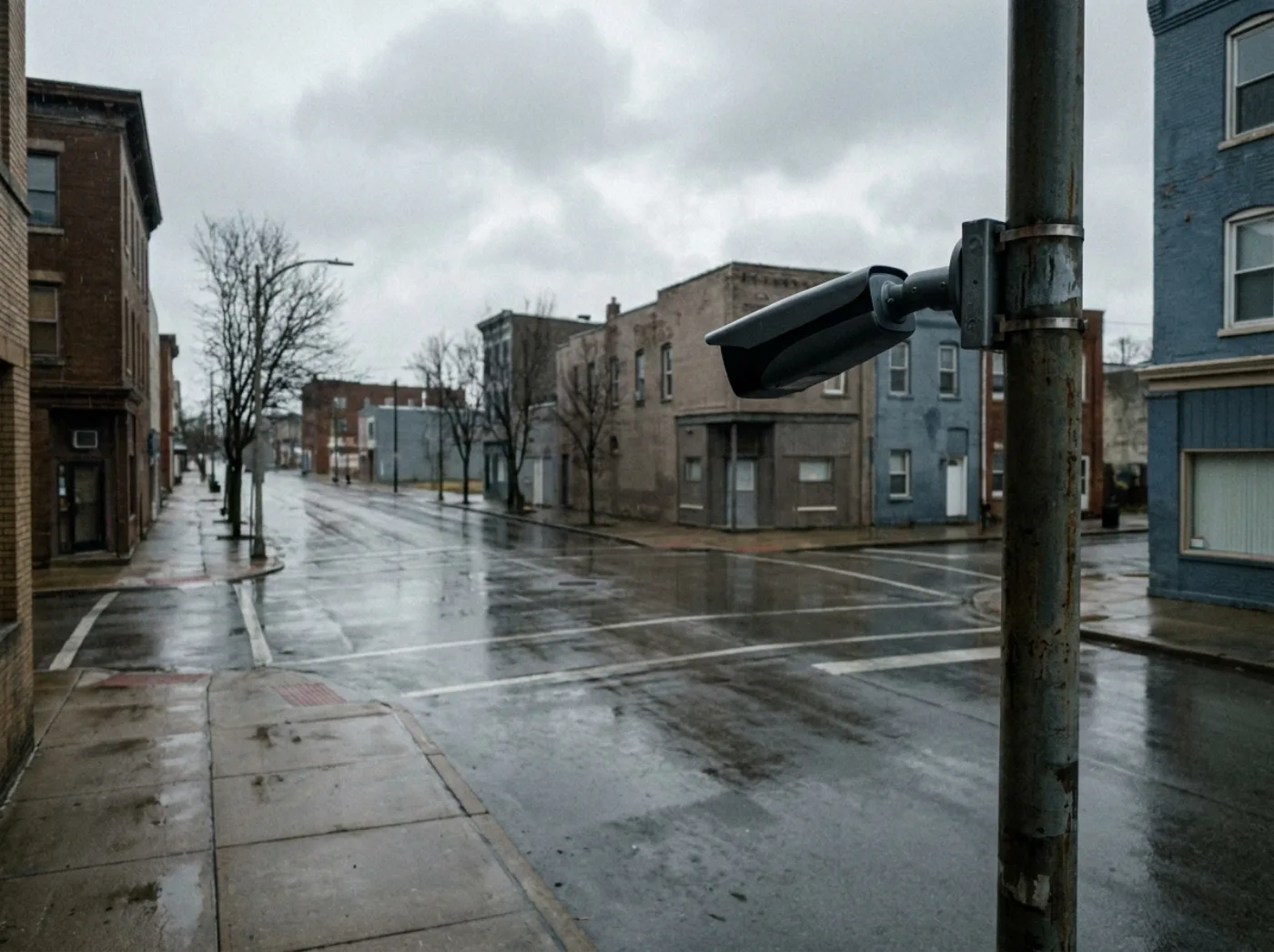
A midsize police department bought a model that flags people it calls loiterers. It cannot say who trained it, and neither can the vendor.
A rural utility signed away a decade of cheap power to a server farm nobody voted for. We followed the paperwork.
Reported over four months across three states
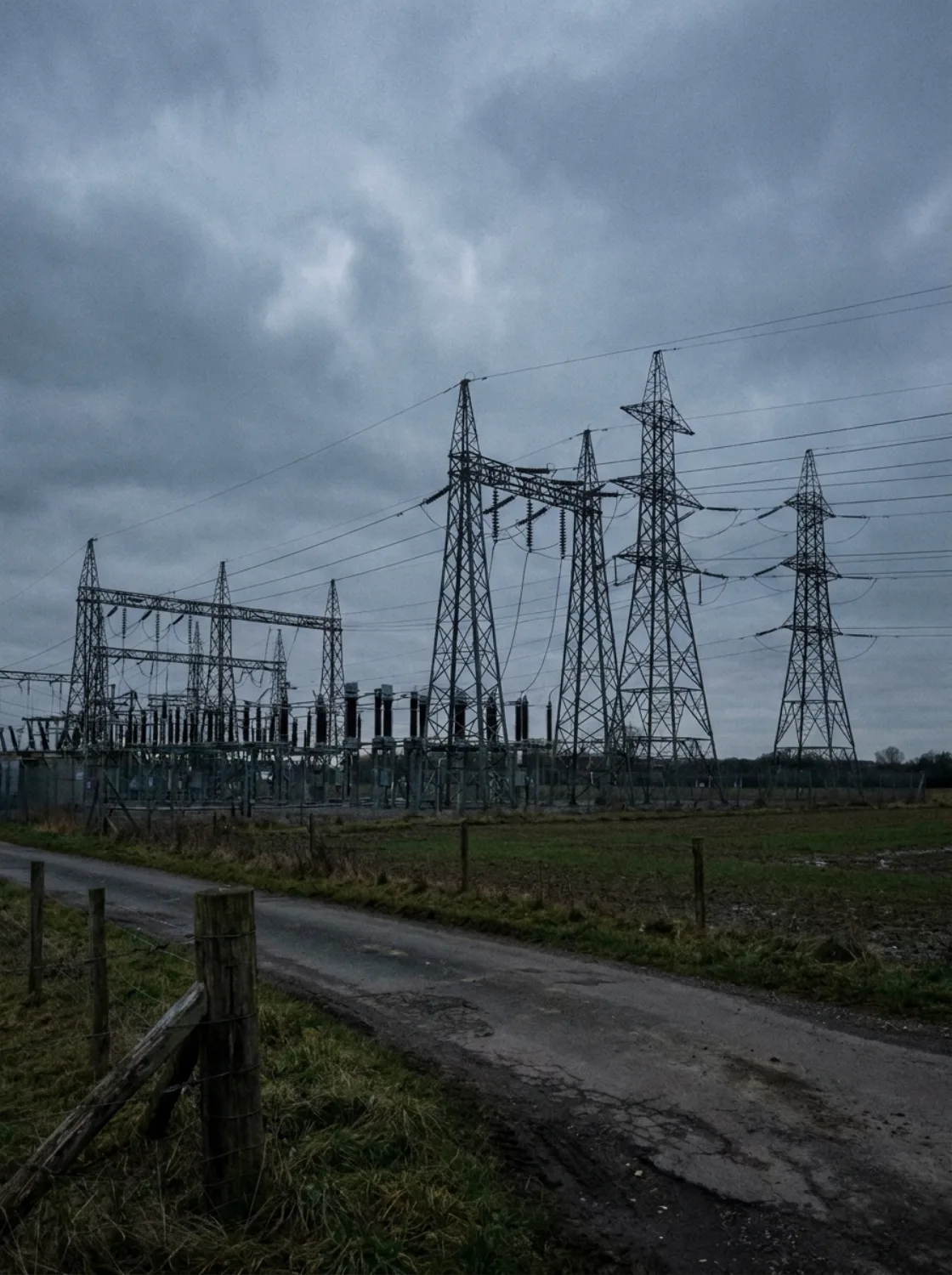
Marlow County had the cheapest electricity in the state. Then a company with no name on the door offered to buy all of it, for twenty years, in cash. The commissioners said yes before they understood the question.
The contract runs to four hundred and eleven pages, and for most of the spring nobody in Marlow County had read past the first. The commissioners approved it on a Tuesday, in a meeting that lasted nineteen minutes, between a zoning variance for a car wash and a vote to repaint the water tower. The buyer was listed as a limited liability company registered eleven days earlier in Delaware. Its only asset, at the time of signing, was the contract itself.
What Marlow sold was not land. It sold priority. For two decades, whenever demand on the regional grid runs tight, the county's homes and businesses now sit behind a single customer whose load never sleeps. The building that customer is finishing on the old fairground draws more electricity than every household in the county combined, and it employs, by the terms filed with the state, thirty one people.
The economics looked, on the page presented that Tuesday, like a windfall. Guaranteed revenue. A new tax base. A promise of fiber. What the page did not show was the clause on the load hierarchy, or the one that indexes the county's future rates to a market the county no longer controls. By June, residential bills had climbed enough that the food bank in the county seat started stocking extension cords, so people could run one room instead of a house.
They did not buy the power plant. They bought the front of the line, and everyone else moved back a place.
A former grid operator, who asked not to be named
A midsize police department bought a model that flags people it calls loiterers. It cannot say who trained it, and neither can the vendor.
When a payments startup promised to bank the unbanked, one Appalachian county took the deal. The reserves were real. The exits were not.
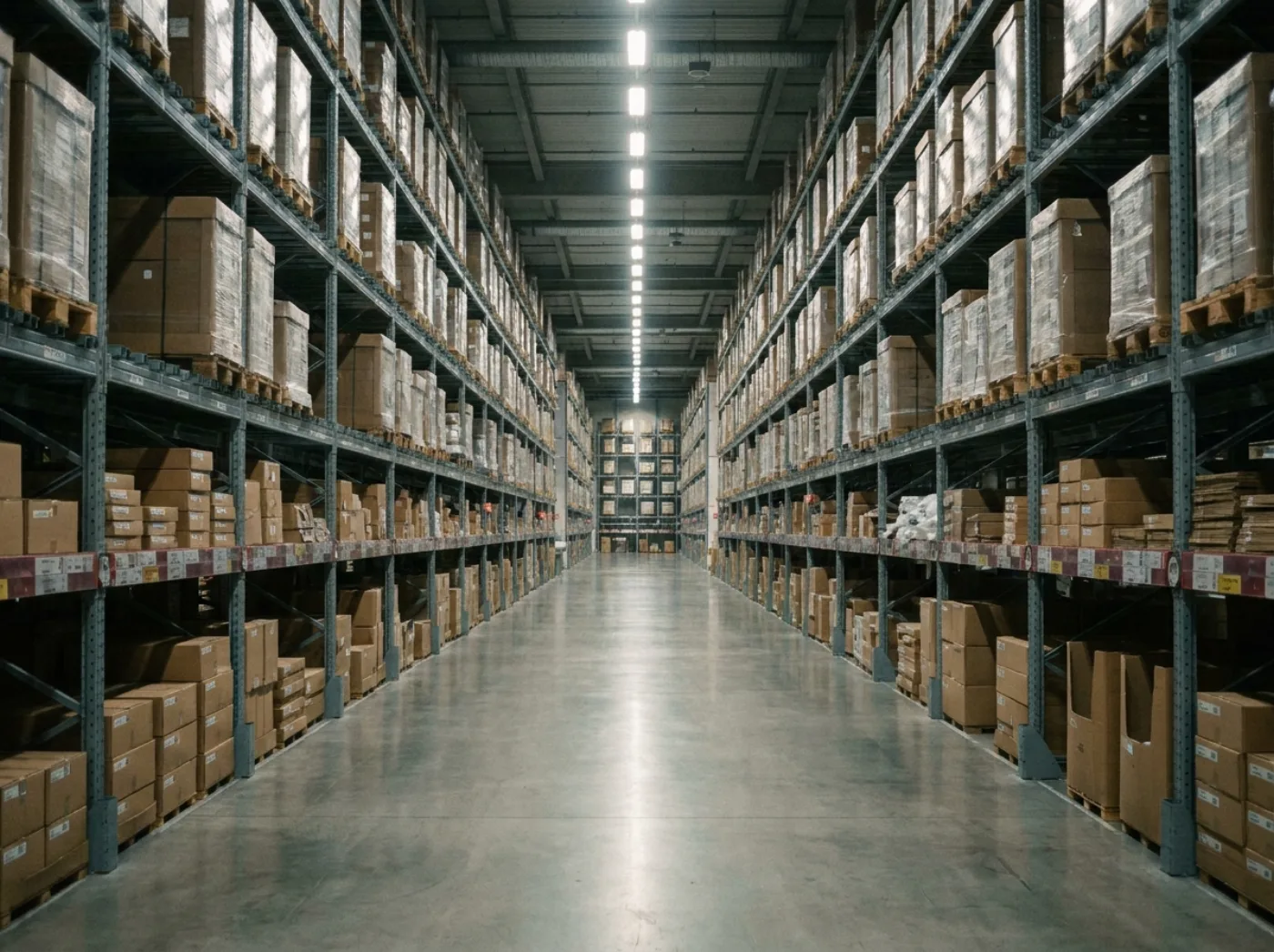
Warehouse quotas set by software that never meets the people it schedules. We obtained six months of the numbers.
A forest sold as carbon storage to four tech firms had already burned. The certificates are still trading.
The walkable neighborhood everyone wanted got built. A single fund owns the coffee, the gym, and the lease under your feet.
For fifteen years, American electricity demand was flat. Efficiency cancelled out growth. Then a single category of building broke the line, and the utilities noticed late.
Data center electricity demand, terawatt-hours per year
Demand from data centers sits low and steady. Every projection assumes it stays that way. The efficiency gains of the last decade are still winning.
Three companies now run most of the country's servers. Their buildings get bigger, their locations get quieter, and their power contracts get longer.
A pandemic pulls work, school, and shopping onto the same infrastructure at once. The curve bends, and the people who model demand start rewriting their spreadsheets.
A new kind of workload arrives. Models that take weeks of continuous power to build, then more to run. A single campus can request as much as a small city.
Utilities in a dozen states pause new connections. There are more requests for power than there is power to give. The waiting list becomes the story.
Demand is now the fastest growing line on the grid. Counties are being asked to choose, quietly, whose lights come first.
The number nobody put on a slide is the marginal one: every new hall of servers is now planned around power it is not sure exists. Grids that spent a generation being told to expect nothing are being asked, all at once, for everything.
Every piece filed for this issue, across the desks. Filter to read one beat.
We do not publish daily and we do not chase the feed. Every other Wednesday you get the whole edition: the reporting, the numbers behind it, and the documents we worked from. No push alerts, no tracking pixels, no selling your address.